
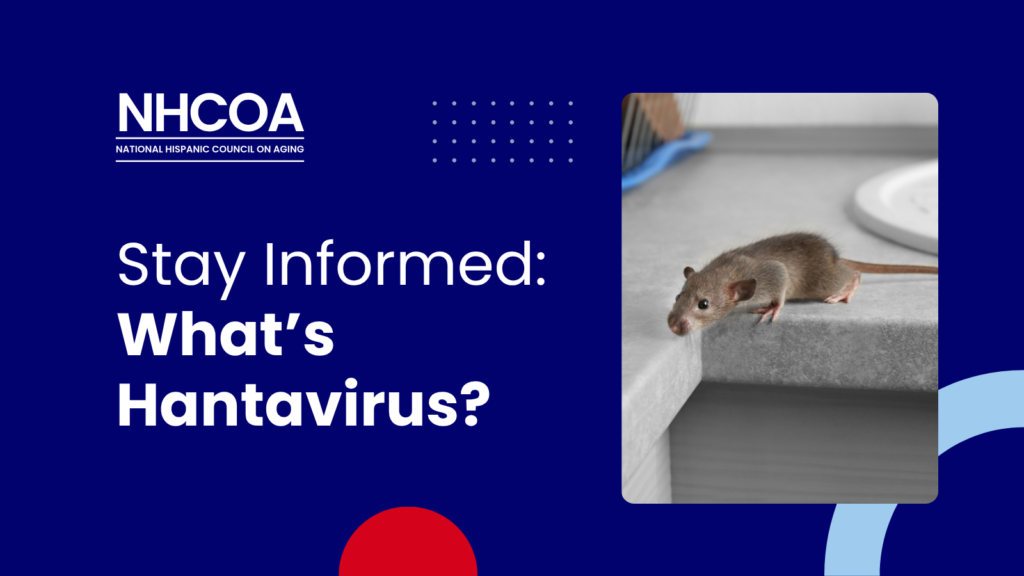
Recently, many of us have been concerned with news regarding the Andes virus, a type of Hantavirus, following a cluster of known cases on a cruise ship in the Atlantic Ocean. On May 2nd, 2026, it was reported to the World Health Organization (WHO) that several passengers on this cruise ship were exhibiting severe acute respiratory illness, including two deaths and one critically ill passenger.
As of May 8th, WHO reports that a total of eight cases amongst the passengers on this Dutch-flagged cruise ship. Of these eight cases, six were confirmed to be Hantavirus via PCR test, while two are unconfirmed, but probable. Among these eight cases there were three deaths, including one of the unconfirmed cases. The six PCR-confirmed cases are specifically confirmed as Andes virus, a type of Hantavirus primarily found in South America.
Following the COVID-19 Pandemic, it’s understandable to be fearful about what this cluster of cases could mean for you and your loved ones. Let’s review the facts.
Regarding Spread and Current Risk:
- Each variety of Hantavirus is associated with rodent reservoir species’, according to WHO, which includes such rodents as mice and rats.
- According to the Centers for Disease Control and Prevention, no rodents carrying the Andes virus have been found within the United States.
- Human-to-human transmission of the Andes virus is very uncommon.
- Transmission of Andes virus, and all forms of Hantavirus, is most commonly made through contact with the urine, waste, and saliva of rodents.
- Currently, there is no vaccine or antiviral treatment for Hantavirus, but early access to intensive care improves outcomes for patients.
WHO currently assesses the risk to global public health, by this cluster of cases, as low. Apparently, passengers of the cruise ship had recently engaged in a bird watching activity, where they may have been closely exposed to infected rodents. The cruise ship presented a close-quartered environment where transmission would be more likely.
However, let’s review some tips for prevention. In the case of an outbreak near you, WHO currently advises the following methods for prevention and control:
- Keep your home and workspaces clean
- Seal openings that allow rodents to enter buildings
- Store food securely
- When an area is contaminated by rodents, ensure that you are using safe cleaning practices, like wearing a mask, gloves, and disposing of waste and detritus in a safe manner.
- Avoid dry-sweeping or vacuuming rodent droppings
- Dampen contaminated areas before cleaning
- Ensure that you are regularly washing your hands.
Again, per WHO’s assessment, the risk to public health remains low! The World Health Organization, and many other public health entities have reacted swiftly to this cluster of cases, by isolating and analyzing the minimal number of existing cases.
The National Hispanic Council on Aging remains committed to equipping our community with trusted and reliable information on matters of public health. We will continue to update you on the Hantavirus, should new information arise regarding the risk to public health.
For more information on the Andes Virus, or Hantavirus in general, you can visit the World Health Organization. The National Hispanic Council on Aging (NHCOA) Resource Center is available to help you navigate both current and future public health crises, by phone call or WhatsApp, at (202) 658 – 8664. The NHCOA Resource Center is a multilingual hub that educates and empowers community members and constituents with accurate information and helpful resources.
Recent Comments