
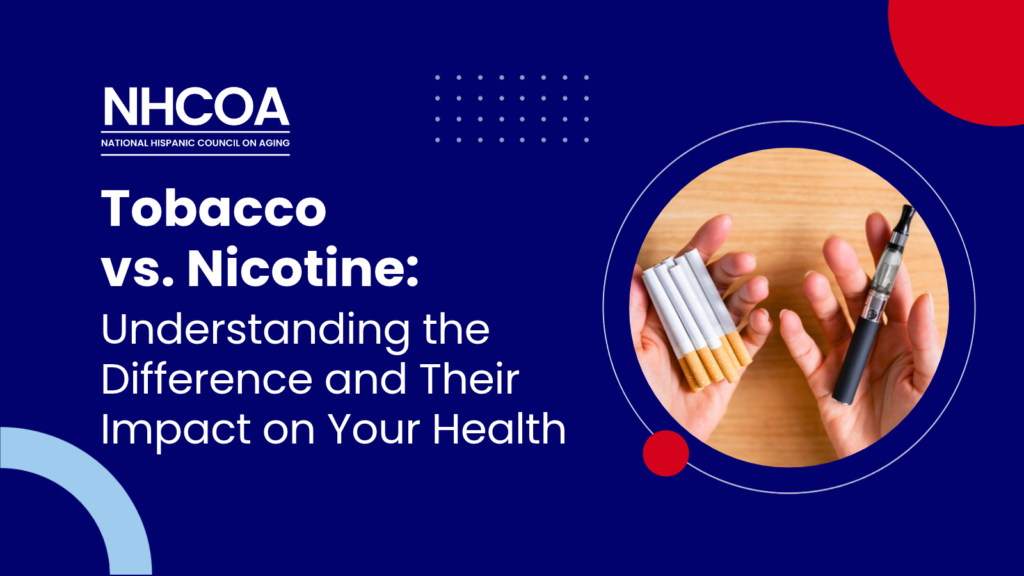
Taking steps to improve your health often starts with rethinking everyday habits. For millions of Americans, one of the most important changes they can make is quitting smoking and other forms of tobacco use. Whether someone has smoked for decades or if they are considering quitting, understanding the impact of tobacco and nicotine on one’s health is an important first step toward making informed decisions.
Quitting smoking is one of the most effective ways to protect your long-term health and reduce the risk of serious illness, but that can be easier said than done, due to addictive quality of nicotine. All tobacco products contain nicotine, and its effects are the primary reason that people begin smoking in the first place. However, it is important to understand that nicotine and tobacco smoke are not the same. While nicotine contributes to addiction and has its own health effects, many of the most serious health consequences of smoking come from the toxic chemicals released when tobacco burns. Just like all squares are rectangles, but not all rectangles are squares, all tobacco products contain nicotine, but not all nicotine products are actually tobacco.
Understanding this distinction can help individuals make informed choices about their health, while recognizing that quitting tobacco and nicotine use altogether remains the healthiest option.
Tobacco’s Impact on Health
Tobacco use, particularly cigarette smoking, has significant consequences for nearly every organ in the body. According to the American Heart Association (AHA), cigarette smoke contains more than 7,000 chemical components, hundreds of which are harmful to human health. These chemicals include substances such as arsenic, benzene, formaldehyde, and carbon monoxide, many of which are associated with cancer and other serious health conditions.
Smoking is strongly linked to lung cancer, but its effects extend far beyond the lungs. Tobacco use increases the risk of heart disease, stroke, respiratory illnesses, and several types of cancer, including cancers of the mouth, throat, bladder, kidneys, and pancreas. Carbon monoxide, a harmful gas found in cigarette smoke, reduces the amount of oxygen carried throughout the bloodstream. Over time, this can contribute to damage within the arteries and increase the risk of cardiovascular disease.

Tobacco use also affects people who do not smoke. Exposure to secondhand smoke can increase the risk of heart disease and lung cancer, and children exposed to tobacco smoke are more likely to experience respiratory infections and other health complications.
The evidence is clear: smoking tobacco exposes the body to a dangerous mixture of chemicals that can cause lasting damage. Reducing exposure to these substances by quitting smoking is an important step toward improving overall health.
Nicotine’s Impact on Health
Although tobacco smoke contains many of the chemicals responsible for smoking-related diseases, nicotine itself is not harmless. Nicotine is a highly addictive substance that affects the brain and nervous system.
Nicotine increases heart rate and blood pressure, and narrows the blood vessels, placing a greater degree of stress on the cardiovascular system. Additionally, according to the National Institute of Drug Abuse (NIDA), nicotine can cause impaired lung function, increase the risk of oral health problems, increase risk of depression and insomnia, and increase the risk of certain cancers. Nicotine addiction can also lead to withdrawal symptoms when someone attempts to quit, making the process challenging when done without appropriate support.
Withdrawal Symptoms include:
- Irritability
- Craving
- Depression
- Anxiety
- Cognitive and attention deficits
- Sleep disturbances
- Increased appetite
Many electronic cigarettes and vaping devices deliver nicotine through an aerosol rather than traditional tobacco smoke. While vaping eliminates the combustion process that would introduce chemicals and tar to our lungs, as with cigarettes, this aerosol process still exposes the user to other potentially harmful substances and chemicals.
Making Informed Choices for a Healthier Future

It is important to understand the differences between tobacco products, nicotine, and the health risks associated with smoking in order to make informed decisions. Many of the most serious health consequences of cigarette smoking are linked to the toxic chemicals released when tobacco burns. While nicotine is addictive and can affect the cardiovascular system, not all tobacco and nicotine products carry the same level of risk.
For adults who currently smoke, tobacco harm reduction offers an alternative approach to managing health risks, especially when quitting completely has been challenging or is not a realistic short-term goal. This approach acknowledges that transitioning from combustible cigarettes to noncombustible alternatives can reduce exposure to harmful chemicals. Learning about the differences between products, available cessation support, and options for reducing exposure can help individuals have more informed conversations with healthcare professionals.
The goal is to provide accurate information that supports healthier decisions. Quitting all tobacco and nicotine use is still the best health outcome, but understanding the potential for harm reduction is also an important part of supporting adults who continue to smoke.
References:
- American Heart Association. “How Smoking and Nicotine Damage Your Body.” Last reviewed January 5, 2024. https://www.heart.org/en/healthy-living/healthy-lifestyle/quit-smoking-tobacco/how-smoking-and-nicotine-damage-your-body
- National Institute on Drug Abuse. “Introduction.” Tobacco, Nicotine, and E-Cigarettes. https://nida.nih.gov/publications/research-reports/tobacco-nicotine-e-cigarettes/introduction
- National Institute on Drug Abuse. “Vaping Devices (Electronic Cigarettes).” https://nida.nih.gov/publications/drugfacts/vaping-devices-electronic-cigarettes
- National Institute on Drug Abuse. “Nicotine.” Drugs A to Z. https://nida.nih.gov/research-topics/drugs-a-to-z#nicotine
Recent Comments