

Every community is shaped by its history and the values its members embrace. Across generations, Latino leaders, artists, and changemakers have embodied the principles that continue to guide our families and communities today, including leadership, social justice, courage, science, advocacy, and equity.
NHCOA has selected six individuals whose lives exemplify these values. They each built something larger than themselves: a poem that gave a continent its voice, a courtroom seat that redefined representation, a street-corner shelter that saved lives, a space mission that redefined who gets to dream big, a picket line that changed labor law, and a global stage where an Indigenous community finally spoke for itself.
Their stories remind us that our values have always had champions who looked like us, sounded like us, and came from communities like ours.
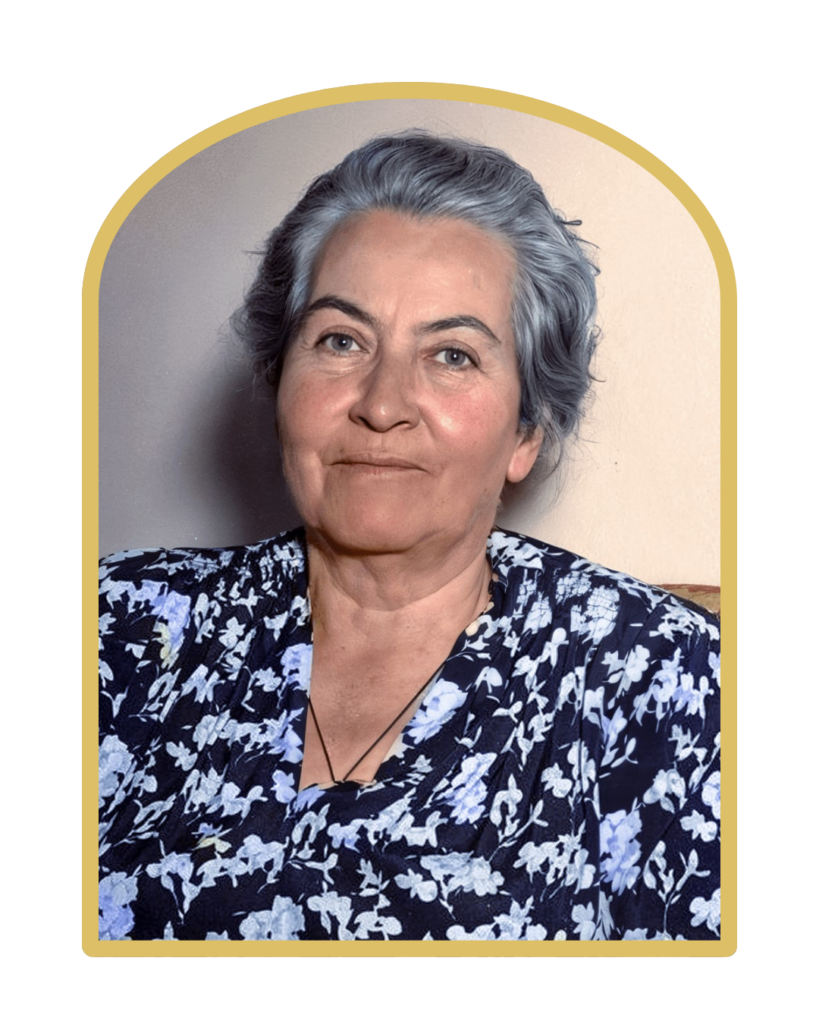
Voice of Leadership — Gabriela Mistral
Gabriela Mistral (born Lucila Godoy Alcayaga; 1889–1957) was a Chilean poet, educator, and diplomat from Vicuña, a small town in the Andes. She began her career as a teacher in her teens, rising from rural classrooms to represent Chile as a consul across Europe and the Americas. In 1945, she became the first Latin American writer to win the Nobel Prize in Literature. The Nobel Committee honored her for her lyric poetry, saying it had “made her name a symbol of the idealistic aspirations of the entire Latin American world.”
Mistral led by example, first through teaching, then through her writing, and finally through diplomacy. She used each platform to uplift children, the rural poor, and the Latin American identity on the world stage. She transformed personal hardship into a lifelong dedication to education, donating the proceeds from her work to children displaced by war and mentoring young writers throughout the continent.
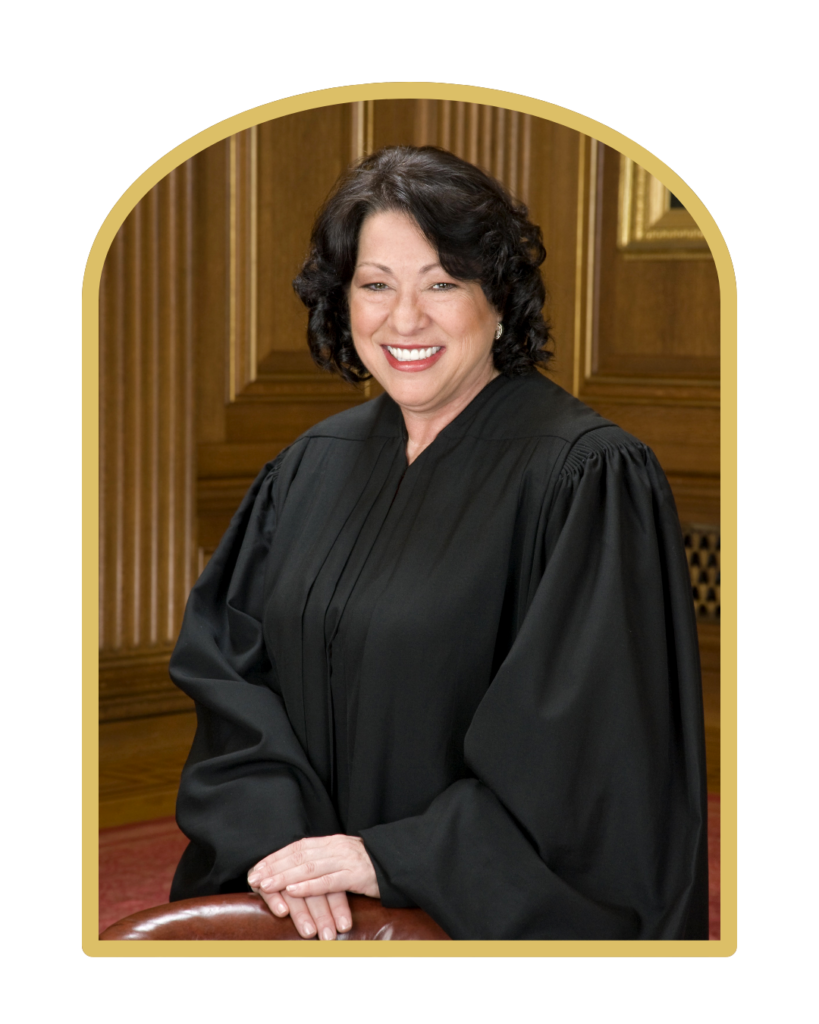
Voice of Social Justice — Sonia Sotomayor
Sonia Sotomayor (born 1954) grew up in a public housing project in the Bronx, New York City, the daughter of Puerto Rican parents. She graduated summa cum laude from Princeton and earned her law degree from Yale. She then served as a prosecutor and judge for nearly two decades before President Obama nominated her to the U.S. Supreme Court in 2009. She is the first Latina and the first Hispanic person to serve as a Supreme Court justice.
Sotomayor has consistently written and spoken about the importance of equal access to opportunity, regularly drawing on her experience growing up in poverty and being diagnosed with type 1 diabetes as a child. On the bench, she is known for opinions and dissents that focus on the impact of the law on ordinary people, especially those from marginalized communities.
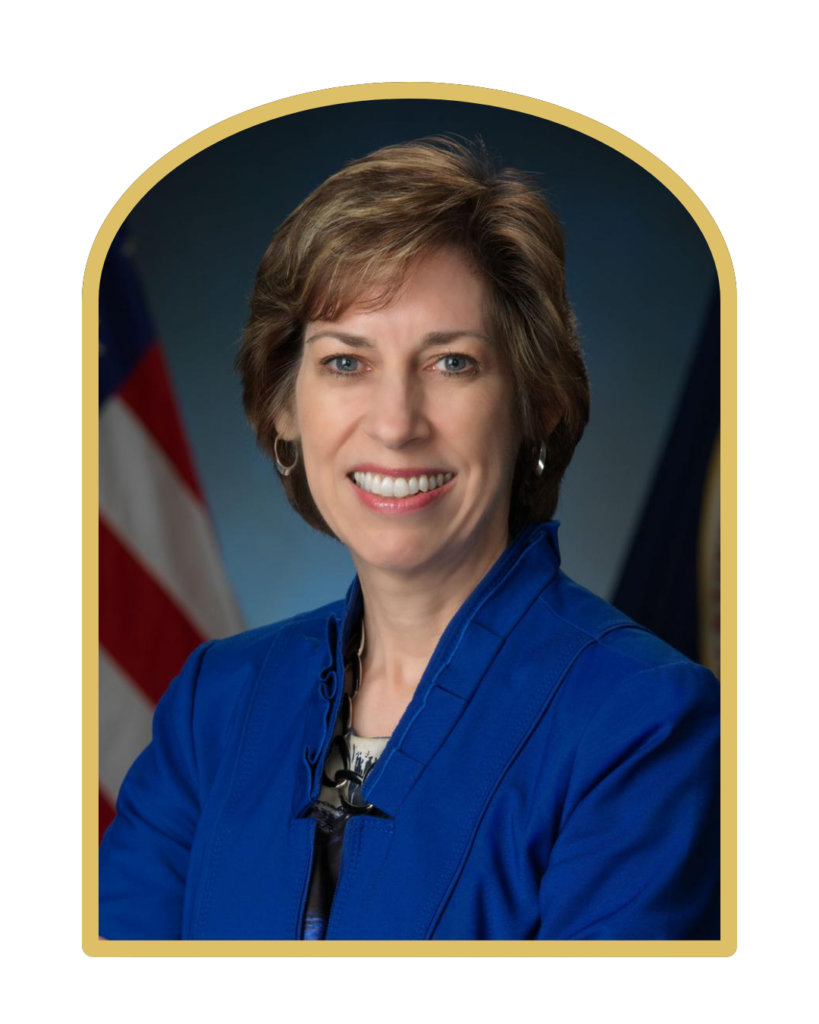
Voice of Science — Dr. Ellen Ochoa
Dr. Ochoa (born in Los Angeles in 1958) earned a physics degree from San Diego State University, and after her masters, she earned a doctorate in electrical engineering from Stanford University. Before joining NASA, she worked as a research engineer and co-invented three patents in optical systems. Selected as an astronaut in 1990, Ochoa became the first Hispanic woman to travel to space in 1993. She later served as director of NASA’s Johnson Space Center, becoming the first Hispanic person to hold that role.
Ochoa’s career reflects purposeful application of science: she helped invent optical systems, logged nearly 1,000 hours in orbit across four space missions, and later oversaw major human spaceflight programs. She also devoted significant time to encouraging young people, especially young women, to pursue STEM fields.
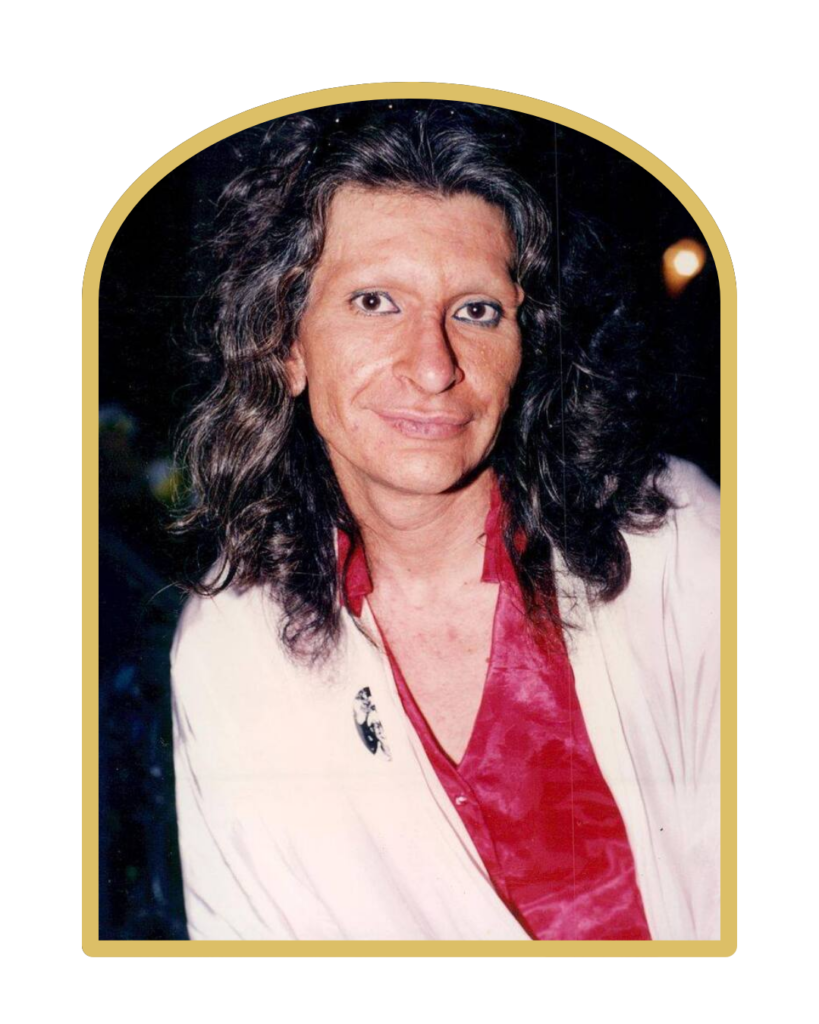
Voice of Courage — Sylvia Rivera
Sylvia Rivera (1951–2002) was born in New York City to Puerto Rican and Venezuelan parents. After a difficult childhood, in her teenage years she found a sense of community among the city’s drag queens. Starting in 1969, she became active in LGBTQ+ liberation movements. In 1970, she and her close friend Marsha P. Johnson co-founded Street Transvestite Action Revolutionaries (STAR), one of the first organizations to provide housing and support for homeless transgender and queer youth.
Rivera advocated for the most vulnerable members of her community, including homeless youth, drag queens, and transgender individuals, even when it meant confronting exclusion within the movements she helped establish. Her insistence on being heard—including in her famous 1973 rally speech, in which she demanded inclusion—kept the fight for LGBTQ+ rights connected to those it too often left behind.
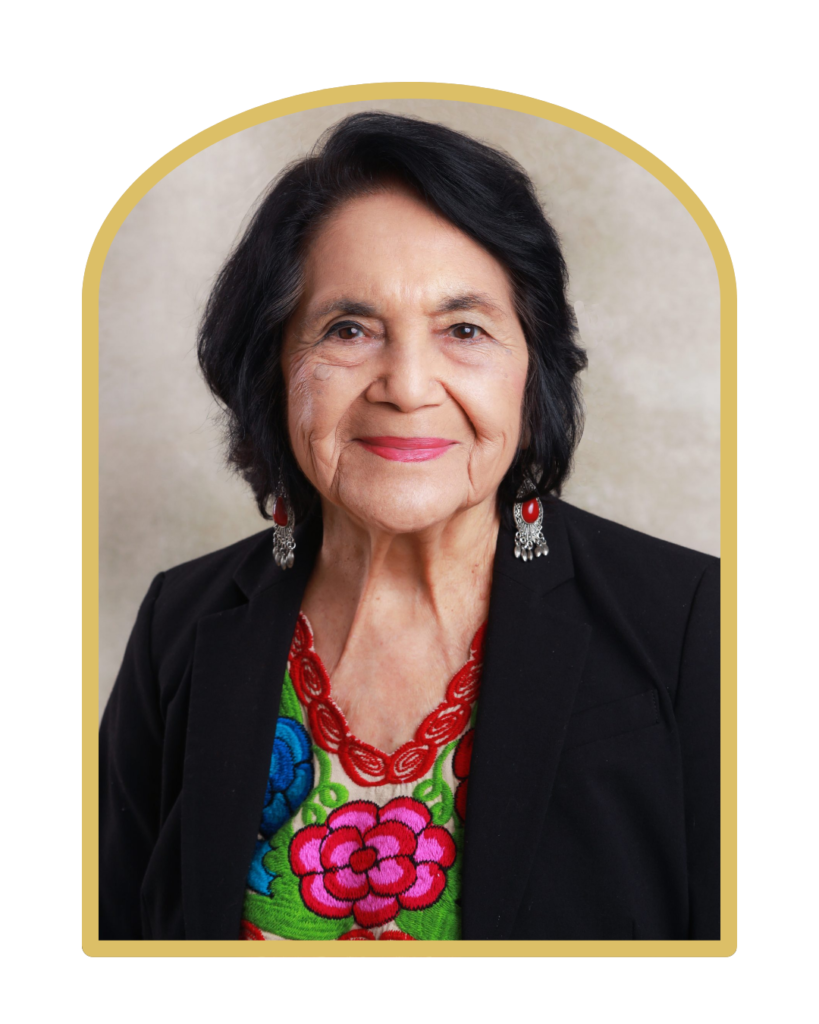
Voice of Advocacy — Dolores Huerta
Born in Dawson, New Mexico, in 1930, Dolores Huerta grew up in Stockton, California, where she watched her mother run a hotel that offered low-cost lodging to working families. In 1962, she co-founded the National Farm Workers Association, which later became the United Farm Workers. Huerta was the lead negotiator behind the contracts that ended the five-year Delano grape strike, and she coined the rallying phrase, “¡Sí, se puede!”. In 2002, she founded the Dolores Huerta Foundation.
For more than six decades, Huerta has organized on behalf of farmworkers, women, and immigrant communities, negotiating contracts, lobbying for labor protections, and building grassroots leadership through her foundation. Her advocacy work has been recognized with the Presidential Medal of Freedom, and induction into the National Women’s Hall of Fame.
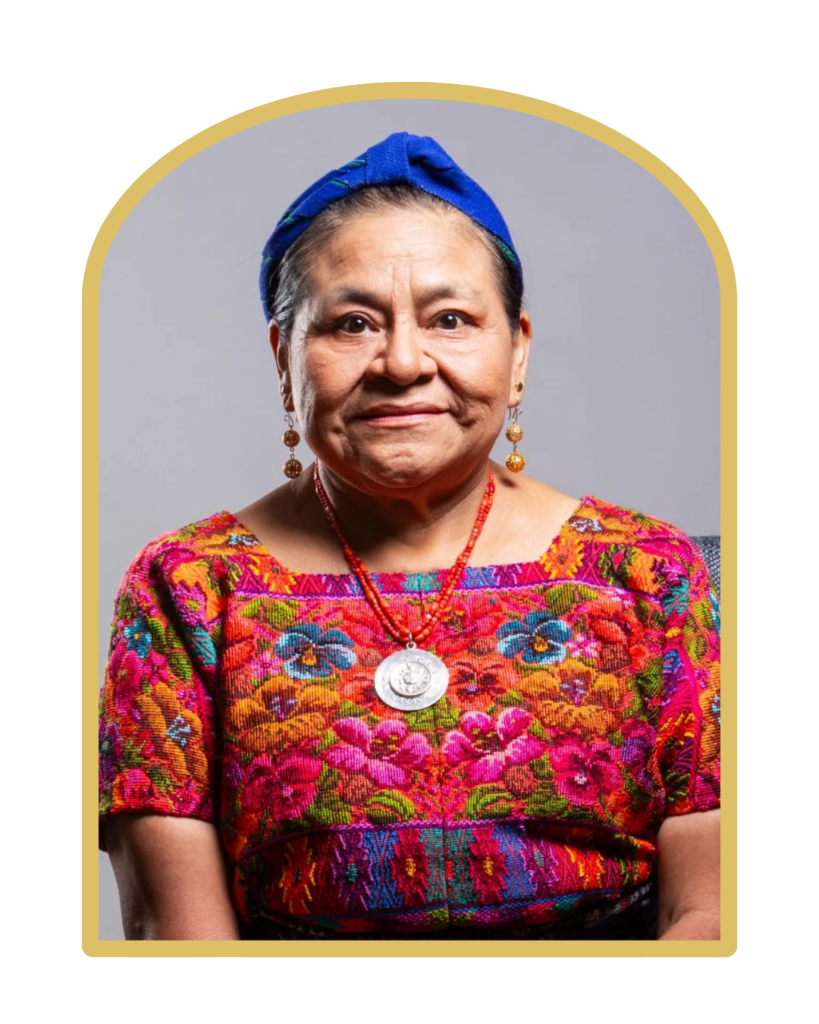
Voice of Equity — Rigoberta Menchú
Rigoberta Menchú Tum (born 1959) is a K’iche’ Maya human rights activist from Laj Chimel, Guatemala. She grew up working alongside her family on plantations and later organized resistance to the violence that Indigenous communities faced during the Guatemalan Civil War. In 1992, she received the Nobel Peace Prize for publicizing the rights of Guatemala’s indigenous peoples. She later founded Winaq, Guatemala’s first indigenous political party, and has run for president of Guatemala.
Menchú’s life’s work has centered on ensuring that Indigenous communities are seen, heard, and represented in international human rights forums, Guatemalan politics, and the historical record itself, through her testimonio writing. She has urged institutions, from the United Nations to national governments, to recognize Indigenous rights as fundamental, not optional.
Recent Comments