
As we age, taking care of our health means many things: keeping medical appointments, taking medications as prescribed, staying active, eating well, and paying attention to changes in our bodies. For many Latino older adults, it also means rethinking long-standing habits. Smoking is one of those habits.
Maybe you have tried to quit before. Maybe you have cut back. You may have smoked for so long that you wonder if quitting now would make a difference. Or maybe you’ve heard conflicting information about nicotine, vaping, and other tobacco products, and you’re not sure what to believe.
You deserve clear, accurate information, not assumptions. Understanding tobacco harm reduction can help.
What does Tobacco Harm Reduction mean?
Harm reduction is an approach to public health that acknowledges the benefits of reducing the harm of dangerous or unhealthy habits, rather than attempting to quit immediately, which tends to have lower success rates. Harm reduction for tobacco users means altering habits, and using resources that will help mitigate the harm of tobacco and nicotine products.
However, it does not mean that tobacco or nicotine products can be made healthy. Nor does it mean that these methods of harm reduction are a good way to start tobacco or nicotine use. Quitting remains the best way to protect your health and is not replaced by this approach.
Instead, harm reduction recognizes an important reality: not everyone is ready or able to quit immediately.
For adults who continue to smoke, knowing how different products compare can help them have more informed conversations with healthcare providers and make decisions based on facts.
Myths vs Facts
Myth #1: “Nicotine is what causes most of the serious diseases associated with smoking.”
Fact: Nicotine is addictive, but burning tobacco releases thousands of chemicals that cause serious diseases.
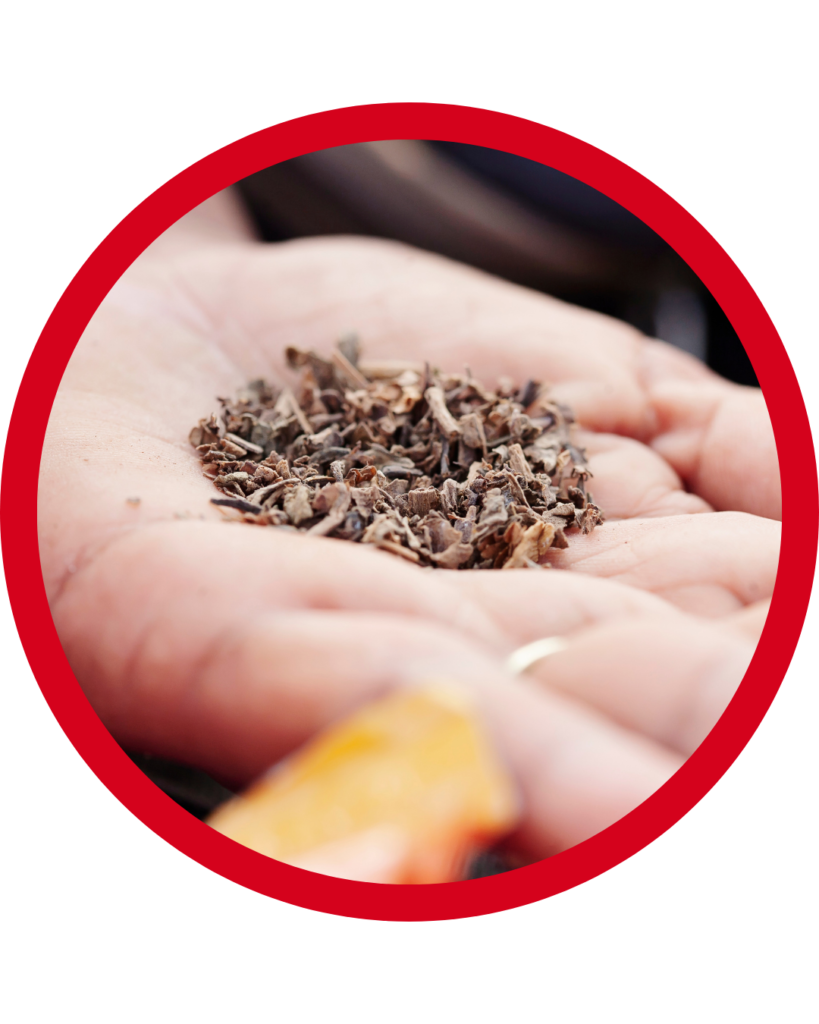
Nicotine keeps people coming back to cigarettes because it is highly addictive. However, cigarette smoke contains a complex mixture of toxic chemicals, and the burning of tobacco is a major source of the chemicals responsible for many smoking-related diseases. Understanding this difference matters. Nicotine and tobacco smoke are not the same.
Myth #2: “Any product containing nicotine is just as harmful as a cigarette.”
Fact: Not all tobacco and nicotine products carry the same level of risk.
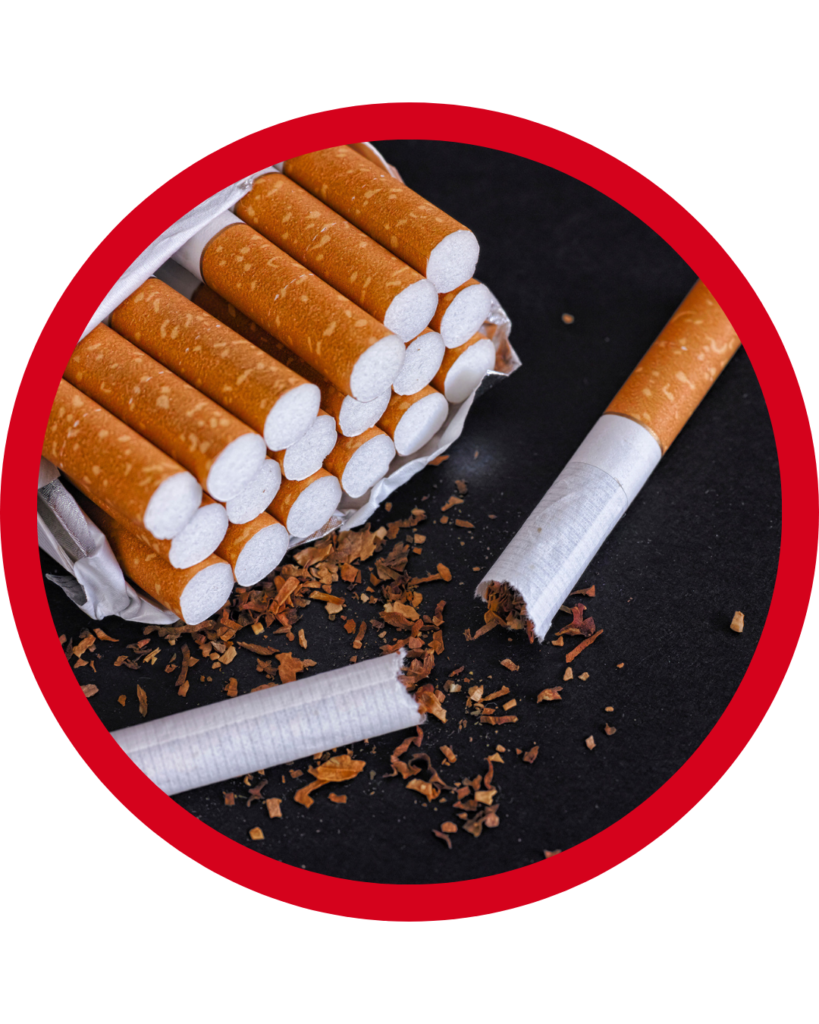
Cigarettes burn tobacco and produce smoke. Products that do not involve combustion generally expose users to fewer toxic chemicals than combustible tobacco products, such as cigarettes. However, that does not make them harmless.
The important point is that risk varies across products. For adults who already smoke, understanding these differences is important when considering ways to reduce exposure to the harmful chemicals produced by smoking.
Myth #3: “Switching from cigarettes to another product doesn’t really change anything.”
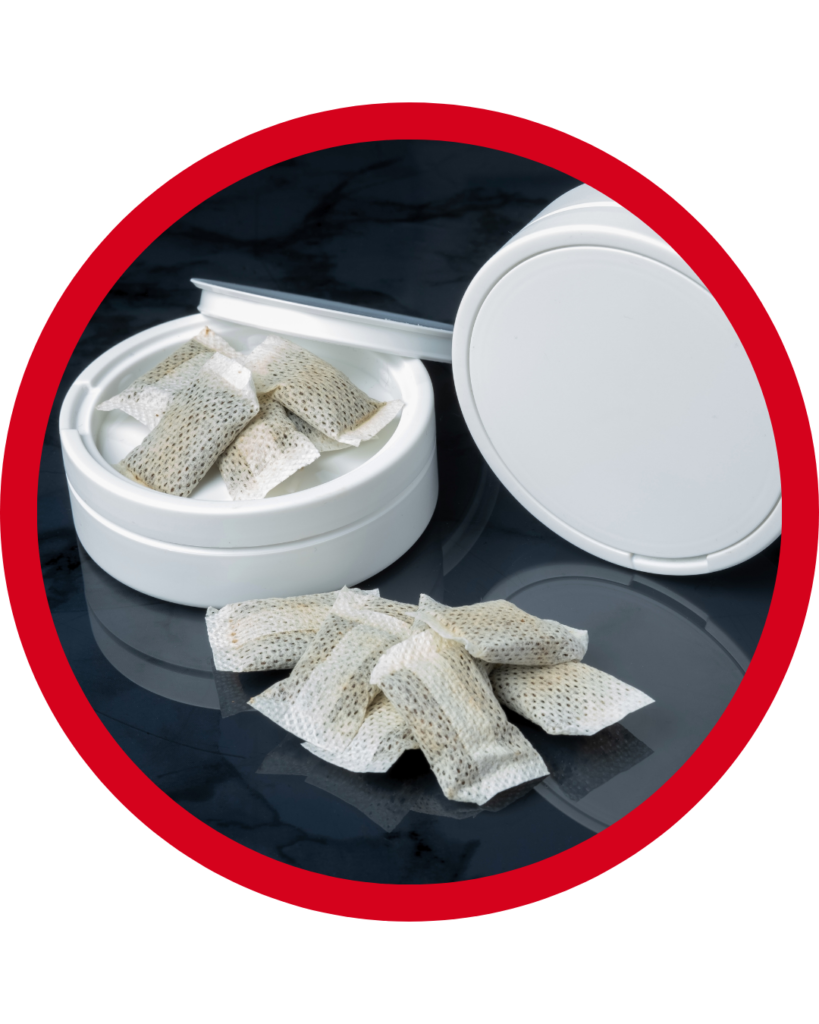
Fact: For adult smokers, completely switching to another product can reduce exposure to many harmful chemicals. It’s important to understand the difference between switching completely and simply adding another product while continuing to smoke.
Those who continue smoking cigarettes while using another nicotine product are still exposed to cigarette smoke.
For adults who cannot or will not quit smoking, understanding the differences between products and avoiding continued cigarette smoking is an important part of tobacco harm reduction.
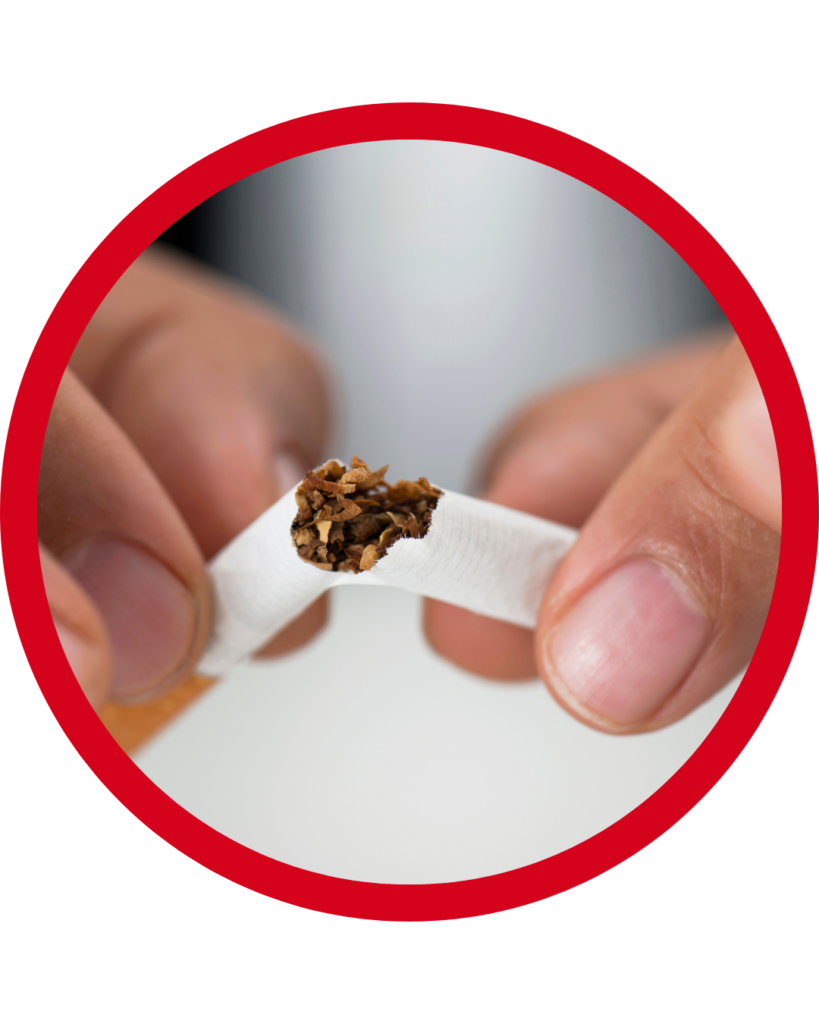
Myth #4: “I’ve smoked for too many years. Quitting now won’t help.”
Fact: It’s never too late to quit. This is especially important to remember as we age. You may have smoked for decades. You may have tried to quit before but found yourself returning to the habit. You may have even heard someone say, “I’ve been smoking so long already. What’s the point in quitting now?”
But your health doesn’t have an expiration date. Quitting smoking at any age can improve your health and quality of life, as well as reduce your risk of serious health problems. Every cigarette you don’t smoke brings you closer to a healthier future.
Myth #5: “Vaping is harmless because it doesn’t involve cigarette smoke.”
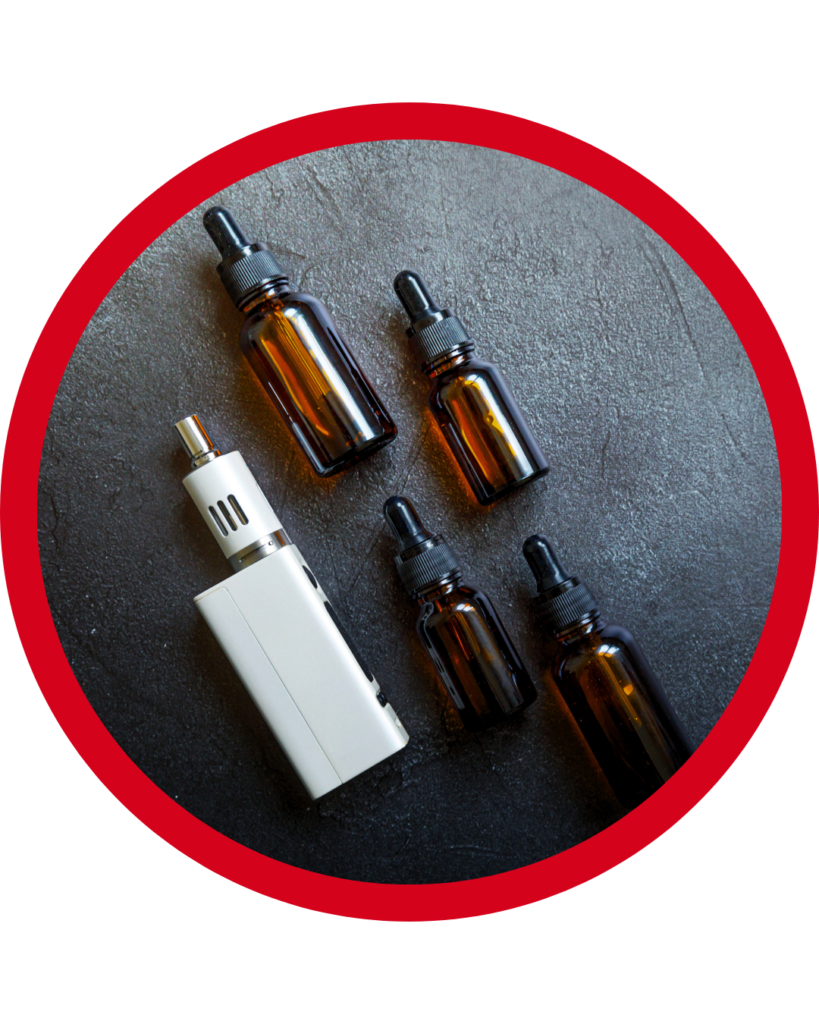
Fact: Vaping is not risk-free, but research suggests that nicotine e-cigarettes can help some adults quit smoking. Some adults who smoke switch to e-cigarettes as an alternative to combustible cigarettes. Switching from smoking to vaping certainly reduces harm to the user, but there are still harmful effects.
E-cigarettes contain nicotine and other chemicals, and researchers are still learning about their long-term health effects. They should not be used by nonsmokers, especially young people. If an adult smoker is considering switching, the goal of harm reduction is to transition away from cigarette smoking, not to continue smoking while also vaping.
Myth #6: “Tobacco harm reduction means you don’t have to quit.”
Fact: Quitting remains the best option for your health.
Tobacco harm reduction does not mean that nicotine or tobacco products are healthy. The healthiest option is to stop using tobacco or other nicotine products. However, health decisions are not always as simple as “just quitting.” Nicotine addiction can make quitting difficult, and many nicotine-users need more than one attempt.
Counseling, medications, and other evidence-based approaches can help. If you smoke and have struggled to quit, talking with a healthcare professional can help you understand your options. Even if you’re not ready to quit today, that doesn’t mean you should stop caring about your health. It means you deserve information and support.
Your Health Matters at Every Age
As we grow older, we have more reasons to protect our health: we want to remain independent, be there for our friends and family, we want to watch our children and grandchildren grow, and continue to live a full life with the people, places, traditions, and activities that we enjoy.
There is no single path that works for everyone. However, everyone deserves the facts needed to make informed decisions about their health.
If you currently smoke, talk with your healthcare provider about quitting and what options are available to help you make the transition.
Recent Comments